
Which processor is best for a laptop: understanding configurations
When choosing a laptop, one of the most important issues is its performance. The central link in this matter is the processor used in the device. CHIP will tell you how to choose the right CPU based on your tasks so as not to overpay.

>
Modern computers, whether desktop PCs or laptops, even in minimal configurations, have ample power for office tasks. But what if you need a device for a wider range of work, including infrequent games? Which processor in a laptop is better to choose, and at the same time not to overpay decent money for gaming power?
Experienced users will surely object, emphasizing that performance is never superfluous and it is better not to save on the processor. This is true, but with one https://jiji.ng/22-washing-machines caveat – if you have a budget for the purchase with a margin. After all, prices for laptops, even with average performance, start at 50,000 rubles, which is a decent amount in modern conditions of low salaries. In addition, a powerful processor also has a high power consumption, which means it is not suitable for long-term operation from the built-in battery. The trade-off between performance and energy efficiency is also important here.
In this regard, we will offer four optimal configurations with different processors that allow you to meet different budgets: up to 25,000 rubles, up to 40,000 rubles, up to 70,000 rubles. More expensive laptops can be safely attributed to the premium segment and gaming devices.
But first, it’s worth briefly dwelling on the types of processors and what tasks they are best suited for.
Which processor to choose and what will it be capable of?
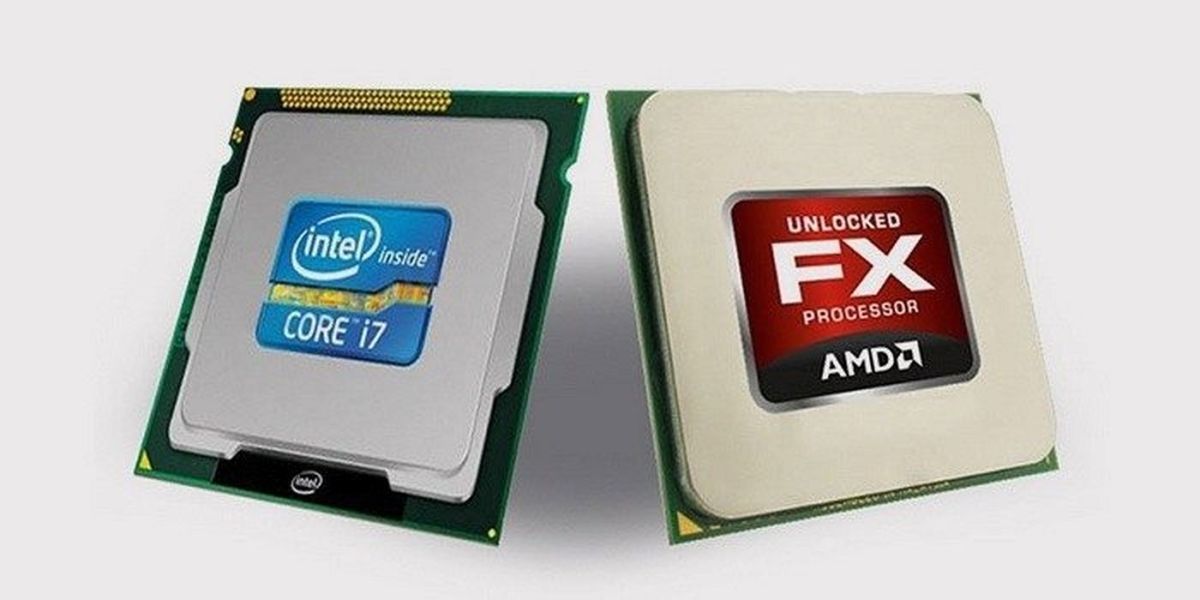
The main manufacturers of processors for desktop PCs (including laptops) are Intel and AMD. Both companies release new processors every year with better performance and unique technologies. On the one hand, this is good – progress does not stand still, and there is movement forward. But along with the new features, the sockets on the motherboards also change, which means that the upgrade leads to an almost complete replacement of other components, the motherboard, memory, and even disk drives. Although the interface of the latter is compatible with new and old CPUs, copy speeds eventually cease to meet current needs. However, an upgrade in a laptop sometimes comes down to just adding RAM sticks and replacing the HDD with an SSD.
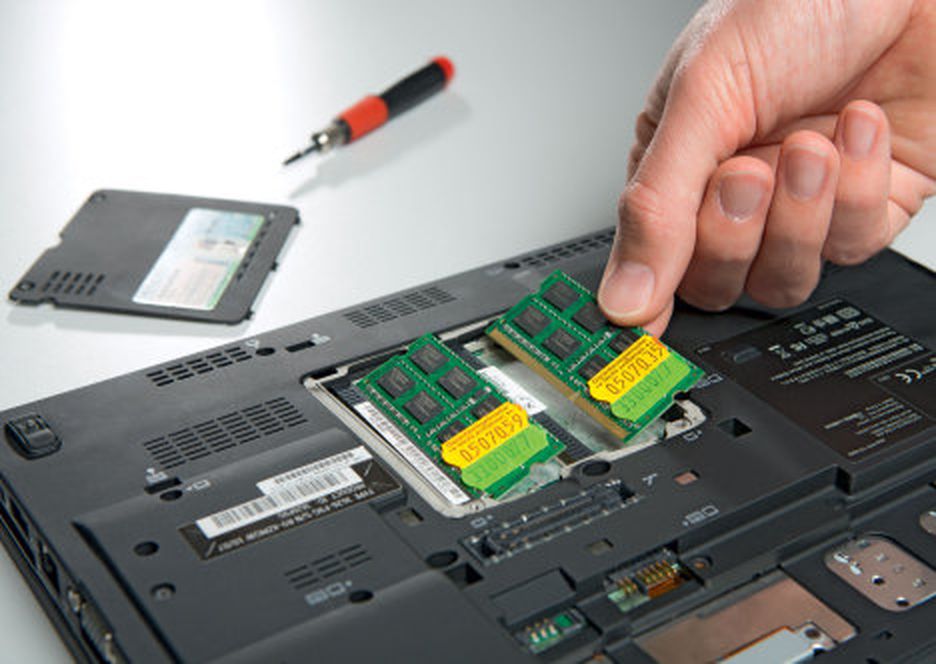
As for laptops, as you know, the processors in them are not replaceable and cannot be upgraded. So, if you buy such a device, then you should choose right away with a backlog for several years ahead.
In this regard, if you are not ready to spend money on a powerful device today, be prepared for the fact that in three years your office-oriented laptop will be very outdated and will annoy you with slowness in other areas, for example, in a browser or updated Windows.